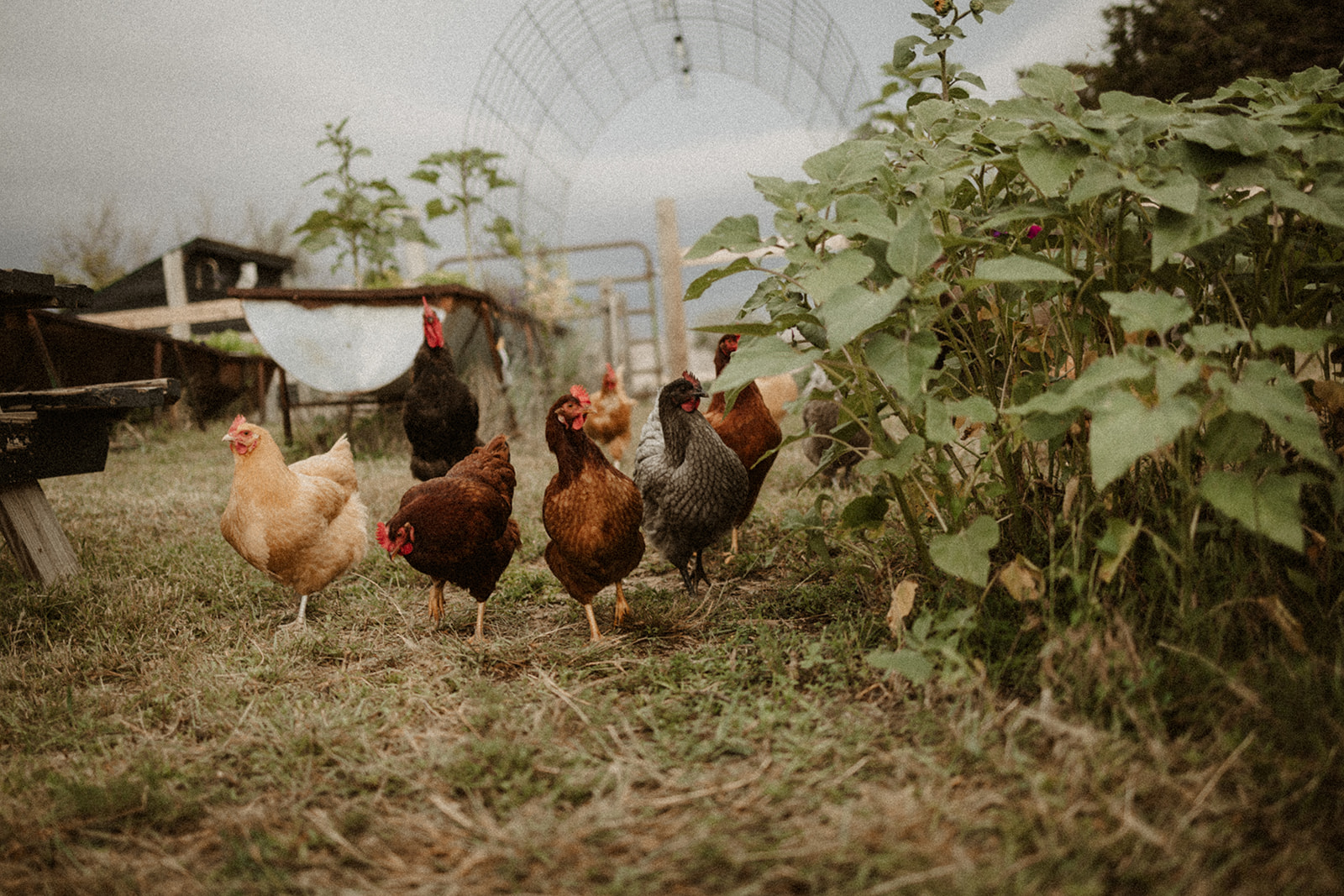
“Egg prices are so high right now… it would be cheaper to just get chickens.”
It’s an idea a lot of people are considering. With rising grocery costs, raising your own chickens seems like a practical way to save money while enjoying fresh eggs. But when you look at the numbers, the reality is more nuanced.
Our Startup Costs
Before you ever collect your first egg, there are initial expenses to get everything set up. For a flock of around 20 chickens, the basic startup costs look something like this:
- Coop: $300 or more (Buy a Coop Here)
- Brooder: $100
- Chicks: $80
These upfront costs alone can bring you to around $500 or more before ongoing care even begins.
Our Ongoing Yearly Costs
Once your chickens are established, there are consistent yearly expenses to maintain their health and environment:
- Bedding: $180 per year
- Feed: $450 per year (Bulk Feed Tote Bags)
- Egg cartons: $100 per year
When you include both startup and recurring expenses, the total cost for the first year comes out to roughly $1,200.

Egg Production and Potential Income
With a flock of about 20 chickens, you can expect to produce around 283 dozen eggs per year. That’s far more than most households consume, which creates an opportunity to sell the surplus.
Selling extra eggs can bring in approximately $500 per year, depending on your market and pricing.
Comparing Costs: Buying vs Raising
If you chose not to raise chickens and instead bought eggs from the store, the math is straightforward. Buying one dozen eggs per week at $5 per dozen would cost about $260 per year.
Now compare that to raising chickens after the first year, when startup costs are no longer a factor:
- Annual cost: about $730
- Minus income from egg sales: about $500
- Net yearly cost: about $230
At that point, the cost of raising chickens is nearly the same as buying eggs.
Time and Responsibility
Beyond financial considerations, raising chickens requires a consistent time commitment. Daily tasks include feeding, watering, and collecting eggs, while weekly chores involve cleaning the coop. It’s not overwhelming, but it is a responsibility that requires consistency.
Benefits Beyond Cost
Even if the financial savings are minimal, there are clear advantages to raising your own chickens. Fresh eggs tend to have better flavor and nutritional quality. They also last longer—remaining stable on the counter for weeks, lasting up to three months in the refrigerator, and even longer when preserved properly. See our article on “Water Glassing Eggs”.
There is also the added benefit of knowing exactly where your food comes from and how it was produced.
Final Thoughts
Raising chickens is not necessarily a way to significantly cut your grocery bill. In many cases, the cost balances out when compared to buying eggs regularly.
However, for those interested in food quality, self-sufficiency, and a more hands-on lifestyle, the value goes far beyond the numbers. Chickens may not dramatically reduce your expenses, but they can change the way you think about food and where it comes from.
Leave a Reply